






















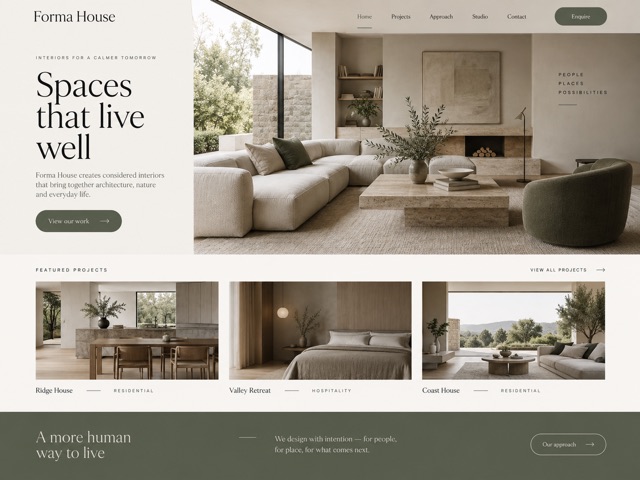
Forma HouseArchitecture studio
For AI that builds websites
Image MCP Server is a hosted MCP server that gives Claude Code, Cursor, Copilot and other MCP clients eight image tools — so your agent fills the grey boxes itself.
No card needed · 30 free credits on sign-up
Same page, same agent. Drag the handle to see what changes.
Works with Claude Code, Cursor, Copilot and other MCP clients
Example concepts
Twelve ways an idea can look finished.
Generated visual directions for the sites your agent is already building.
Forma HouseArchitecture studio
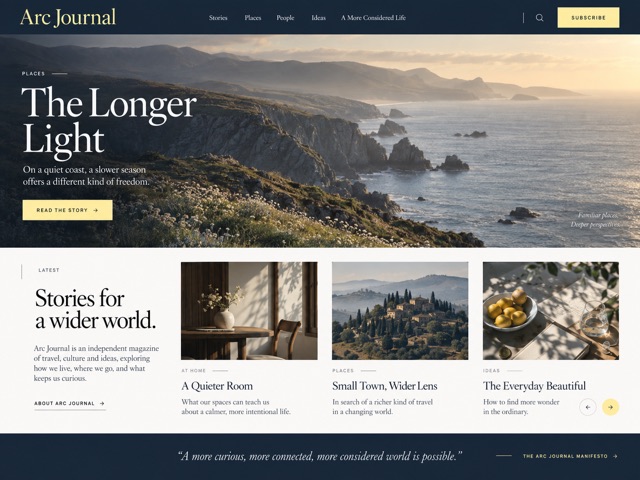
Arc JournalIndependent magazine
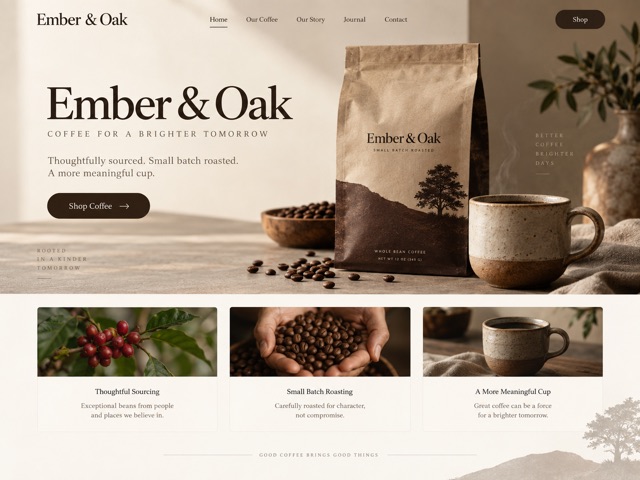
Ember & OakCoffee roasters
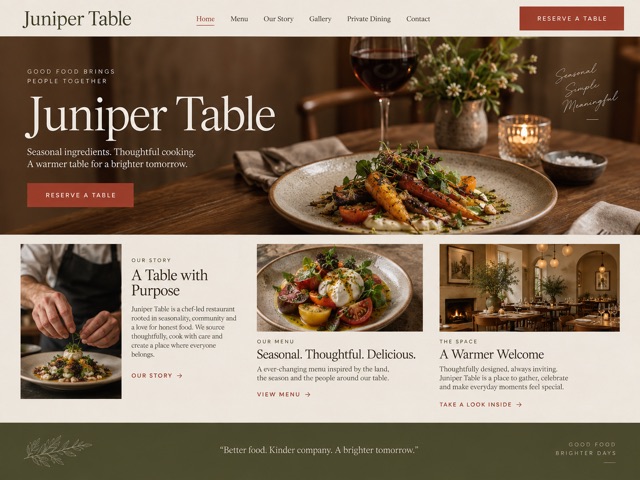
Juniper TableNeighbourhood restaurant
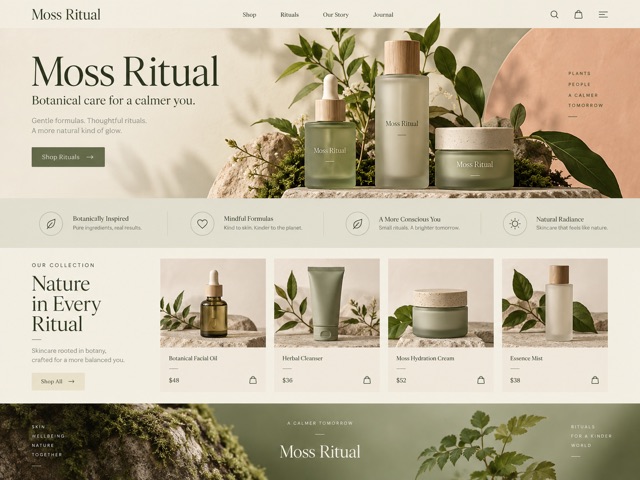
Moss RitualBotanical skincare

Aster RunSneaker studio
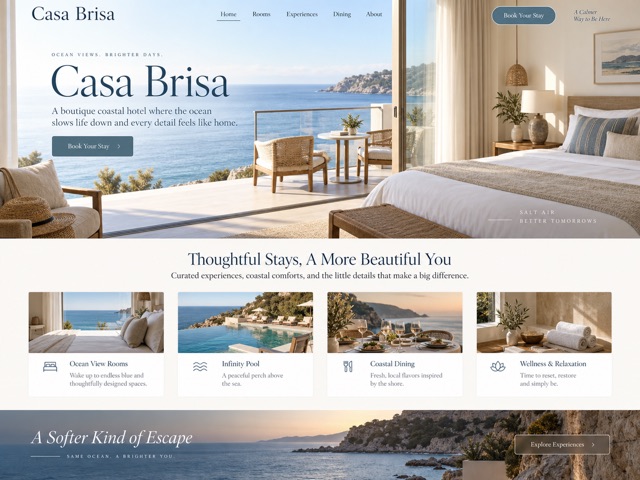
Casa BrisaBoutique hotel
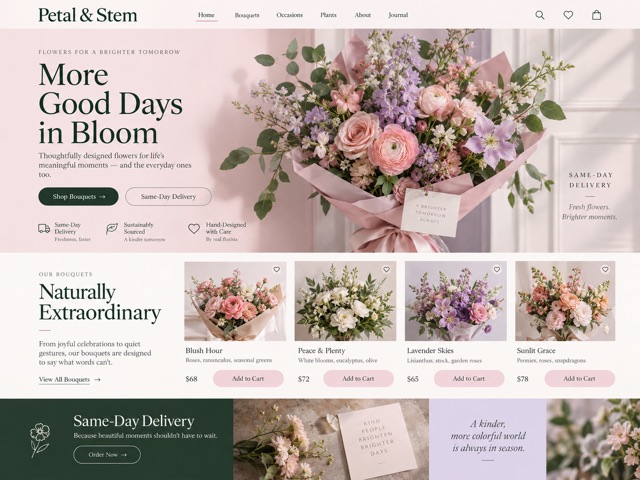
Petal & StemFlower studio

Kindred CareWellness clinic
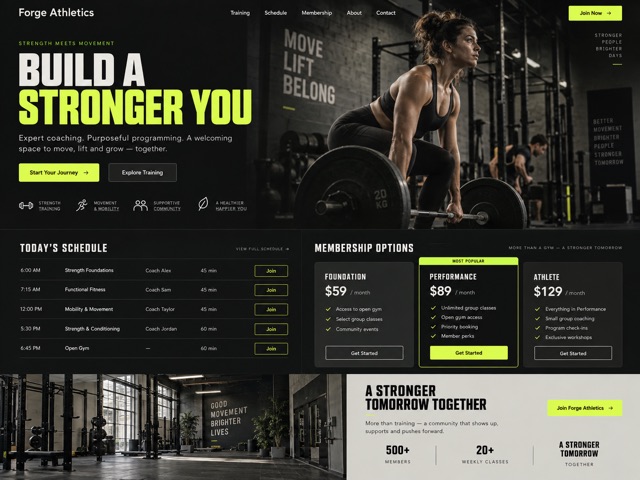
Forge AthleticsMovement studio
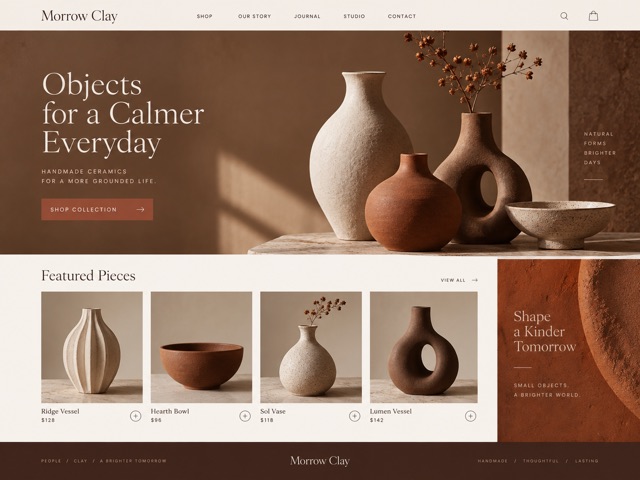
Morrow ClayCeramics shop
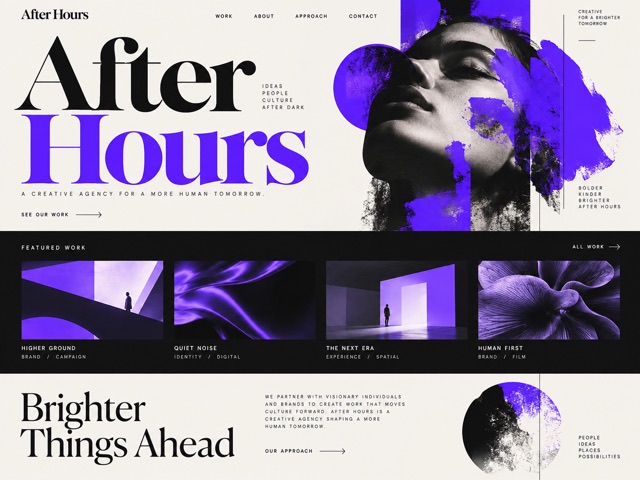
After HoursCreative agency
Forma HouseArchitecture studio
Arc JournalIndependent magazine
Ember & OakCoffee roasters
Juniper TableNeighbourhood restaurant
Moss RitualBotanical skincare
Aster RunSneaker studio
Casa BrisaBoutique hotel
Petal & StemFlower studio
Kindred CareWellness clinic
Forge AthleticsMovement studio
Morrow ClayCeramics shop
After HoursCreative agency
One image MCP server, eight tools
Draw it, cut it out, sharpen it, shrink it, ship it. Connect Image MCP Server once and your agent can call the whole pipeline — no per-provider SDKs, no separate keys, no design handoff.
 8–30 credits
Text-to-image and image-to-image, any live model
generate_image 8–30 credits
Edit or restyle an image from a text instruction
edit_image
 8 credits
Cut the subject out in one call
remove_background
 15 credits
Crisp super-resolution in one call
upscale_image
 16–38 credits
Generate and cut out in one call
generate_transparent_image
 5 credits
Generate editable vector SVG from a prompt
text_to_svg
 1 credit
Re-encode smaller with a quality dial
compress_image
 1 credit
PNG, JPG, WebP, GIF, TIFF, AVIF
convert_format
How it works
Create your account and generate a key. Free tier, no card.
Paste the block into Cursor, Claude Code or Cline — or call the REST API from your build step. Copilot in VS Code, Windsurf and Codex use their own formats; the setup guides have the exact config.
Describe the image in the same breath as the component. Production-ready files come back.
Every successful call logged: prompt, model, latency and credits.
{ "mcpServers": { "imagemcp": { "command": "npx", "args": [ "-y", "mcp-remote", "https://mcp.imagemcpserver.com/mcp", "--header", "x-api-key:sk-img-gen-your_key_here" ] } }}This block works as-is in Claude Desktop, Claude Code, Cursor and Cline. Copilot in VS Code uses a "servers" key, Windsurf (Devin Desktop) a serverUrl field and Codex TOML — see all MCP client setup guides.
REST API
Every tool the image MCP server exposes is also a plain JSON endpoint — an AI image API you can drop into a cron job, a Rails controller, a Lambda, anywhere you can make a POST request.
curl -X POST https://api.imagemcpserver.com/v1/generate \ -H "Authorization: Bearer $IMAGEMCP_API_KEY" \ -H "Content-Type: application/json" \ -d '{ "prompt": "A ceramic coffee cup on a walnut desk, morning light", "aspectRatio": "16:9" }'200 OK
{ "success": true, "result": { "imageUrl": "https://cdn.imagemcpserver.com/gen/8f2a.png", "model": "google/gemini-2.5-flash-image", "latency": "4.21s" }, "deductedCredits": 8, "userCredits": 992}See it work
72 seconds, unedited: a coding agent replaces every grey placeholder with images it generates, cuts out and upscales through Image MCP Server.
Every image a website needs
Layout is the easy part. What holds a site back is the artwork — and it is the part your agent currently hands back as a placeholder. With Image MCP Server, each of these is a tool call your agent makes itself.
The one image above the fold that decides whether anyone scrolls. Generated to your brief, in your aspect ratio.
 See how
Every route gets a share image instead of a blank rectangle in Slack, iMessage and X.
 See how
A cover per post, on publish, from the title you already wrote — no stock library subscription.
 See how
Cut the background off a supplier photo and get a transparent PNG back, ready to place on your own page background or product card.
 See how
Draw the mark as an SVG with text_to_svg, set its width and height, and convert it to each PNG size your manifest lists. favicon.ico still needs a local tool.
 See how
Launch posts, feature announcements and ad creative in the same visual language as the site.
 See how
Actual output
Four unedited generate_image calls through Image MCP Server, with the model, latency and seed each one actually returned.

Fig. 017.04sseed 679263
“A golden valley at sunset, layered mountain ridges receding into warm haze, winding river”
gemini-2.5-flash-image

Fig. 027.89sseed 565146
“A busy cyberpunk cityscape at night, neon-lit skyscrapers, drifting mist, cinematic”
gemini-2.5-flash-image

Fig. 037.01sseed 106312
“Close-up product photograph of a smartwatch displaying a glowing holographic time interface”
gemini-2.5-flash-image

Fig. 047.93sseed 53382
“Overlapping golden circles, arcs and quarter-rounds with crisp black outlines on cream paper”
gemini-2.5-flash-image
Simple pricing
Prepaid credits, one bill for every model behind the image MCP server, and no per-designer seat to buy. No minimum commitment — cancel from the dashboard whenever you like.
30 credits on sign-up
250 credits / month
750 credits / month
2,000 credits / month
Before you wire it in
Still stuck? Mail us at hello@imagemcpserver.com and a human will answer.
MCP endpoint
https://mcp.imagemcpserver.com/mcpImage MCP Server is a hosted Model Context Protocol (MCP) server for images. Connect it to Claude Code, Cursor, Copilot or another MCP client and your agent can call 8 image tools on its own: generate_image, generate_transparent_image, edit_image, remove_background, upscale_image, text_to_svg, compress_image, convert_format. The same tools are available as a REST API, on the same key and the same credit balance.
MCP stands for Model Context Protocol, the open standard AI clients use to discover and call external tools. An image MCP server is one that exposes image tools — generation, editing, background removal and so on — so an agent can create and process images itself, without you writing plugin code or an SDK integration per provider.
Yes. New accounts on the Free plan get 30 credits once, on sign-up, with no card required — enough for one to three AI generations, or up to 30 format conversions or compressions. Open-source image MCP servers on GitHub are free to run as well, but you host them yourself and pay the image provider directly with your own key.
Most open-source image MCP servers are a bridge to one generation provider: you clone it, run it locally and bring that provider's API key. Image MCP Server is hosted — one URL, one key — and covers the steps after generation too: background removal, upscaling, SVG, compression and format conversion, with every successful call in a request log. If you only need generation and are happy to self-host, an open-source server is a perfectly good choice.
It gives whatever tool you already build in — Cursor, Claude Code, Copilot, or your own deploy script — the ability to produce the artwork a page needs: hero images, Open Graph cards, product cutouts, favicons, blog covers. Instead of pausing the build to open a stock site or a design tool, you ask for the image in the same sentence as the component and get a production-ready file back.
Anything that speaks MCP and lets you set a request header: Claude Desktop (through claude_desktop_config.json), Claude Code, Cursor, VS Code with Copilot, Windsurf (Devin Desktop, Cascade agent), Zed, Codex, Antigravity, Goose, OpenCode, Cline, Roo and more — there is a setup guide for each client. There is also an agent skill (npx skills add imagemcp/skill) and a plain HTTP API if your stack doesn't speak MCP.
No. One Image MCP Server API key covers every model behind the server, and you get a single bill instead of an account per provider. Every paid plan can also bring its own OpenRouter key: OpenRouter bills you for the model, and we charge a flat 2 credits per generation or edit.
Each tool call costs a fixed number of credits — 1 for a format conversion or compression, 5 for a vector SVG, 8 to 30 for a generation or edit depending on the model tier (full credit costs). Paid plans add credits to a balance that never resets, and credit packs top you up without expiring. New accounts start with 30 free credits, once, with no card required.
Yes. Every MCP tool has an HTTP equivalent that takes the same arguments and a Bearer token, so you can use it from a backend job or CI pipeline that has no agent attached. MCP vs REST covers when to use which.
Generation, editing, background removal, upscaling, transparent PNG and format conversion upload the output to Cloudflare R2 and return a public URL in result.imageUrl, which keeps agent context windows small. Pass responseFormat: "b64_json" to get the bytes inline as well — the file is still stored. text_to_svg returns the SVG markup itself in result.svgCode, and compress_image returns a base64 data URI in result.image that is never hosted.
Prompt, model, latency and the exact credits deducted, for every successful call on your account. Calls that fail are refunded automatically. It's the audit trail you need when an autonomous agent is spending on your behalf.
Any time, from the billing tab in your dashboard. Cancelling keeps your access until the end of the period you already paid for, and credit packs you bought stay in your balance.
One URL and one API key in Claude Code, Cursor, Copilot or your own build step — and no more pages shipped with the placeholders still in them.
No credit card required. New accounts start with 30 free credits.